Mahalla Malta Festival: Palazzo Żabbar


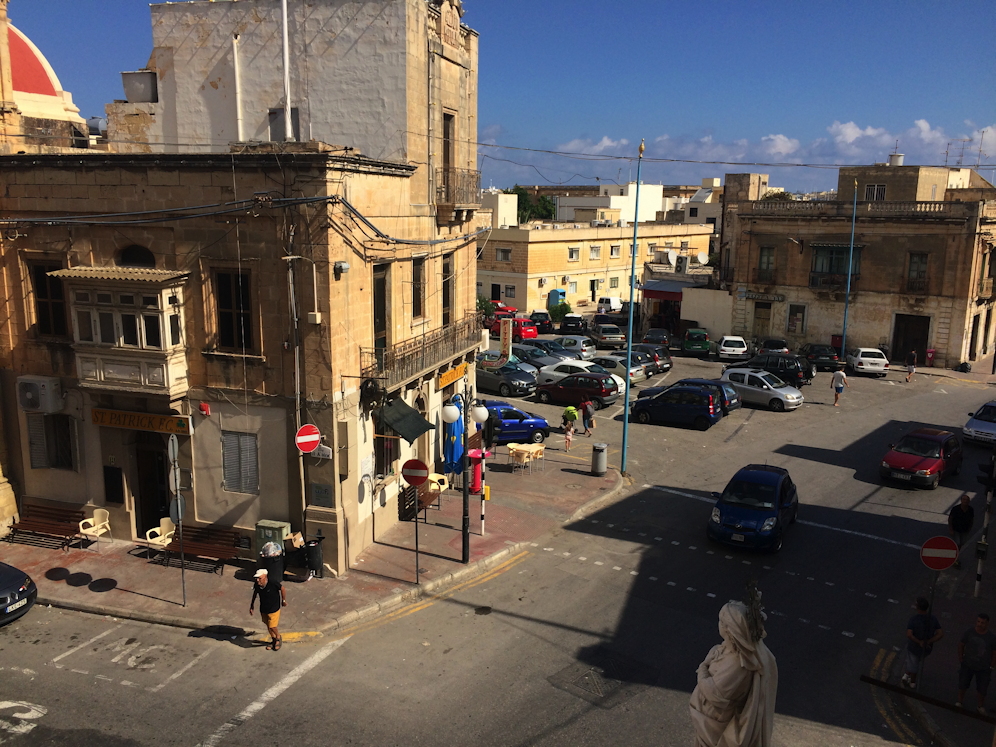
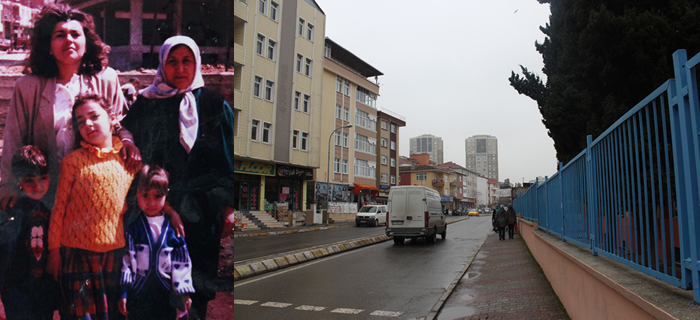
From the First Floor of the Palazzo we oversee a square with the social club and a soccer-clubhouse just across. Once the home of a noble family, the building served as a police-station in the 1950th and was set on fire during the anti-colonial uprisings in 1958.

Bir harita, 25 çesitli mekan: Tophane Art Walk

Güneş cıkmıştı. Evelsi gün kadar ısıtmıyordu yüzümü Kumbaraca Yokuşunu aşağa doğru yürürken. Bu gün Tophane’yi gezecektim. Yok Mathias Poisson gibi değil. Mathias Poisson Tophane’yi gezip, sonradan bir harita çizmiş. Ben elimde Tophane Art Walk’un haritasını tutuyordum. İlk maksatım DEPO’ya gitmek olacaktı. Poisson’un Tophane’sini görmek istiyordum. DEPO büyük bir harita ve küçük bir laboratuvar sergilemiş. Çok hoşdu.

Küçük guruplar içinde gezen insanları gözetliyordum. O rüzgarlı güneşli gün vaktinde Boğaz Kesen Caddesini gezinip, galerilere girip cıkıp, soru sorarak, sanat’a bir türlü yol acıyordu Tophane Art Walk. Ziyaretçilerin yüzleri büyük soru işaretleri veyahut hoşnut bir aydinlanma yansıtıyorlardı. Insanlar haritalari ellerinde, başlamışlardı düşünmeye.

One Map, 25 places: Tophane Art Walk.

Rosa – Taşlar Şehir

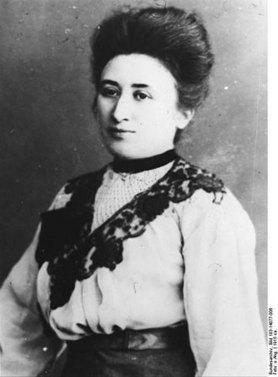
330px-Bundesarchiv_Bild_183-14077-006,_Rosa_Luxemburg

Rosa Luxemburg  was a founding member of the German Communist Party. Parts of the so called “Freekorps”- units killed her and her Comrade Karl Liebknecht on the 15th of January 1919. They held them responsible for prior riots following a general strike in Berlin.

Liebknecht and Luxemburg were part of a minority of people critisising the massacre of Armenians durnig the first world war and pleeding for international socialism and standards of human rights.

The Freekorps units were mainly consisting of retired soldiers and people with antirepublican political views.

[widgetkit id=2686]

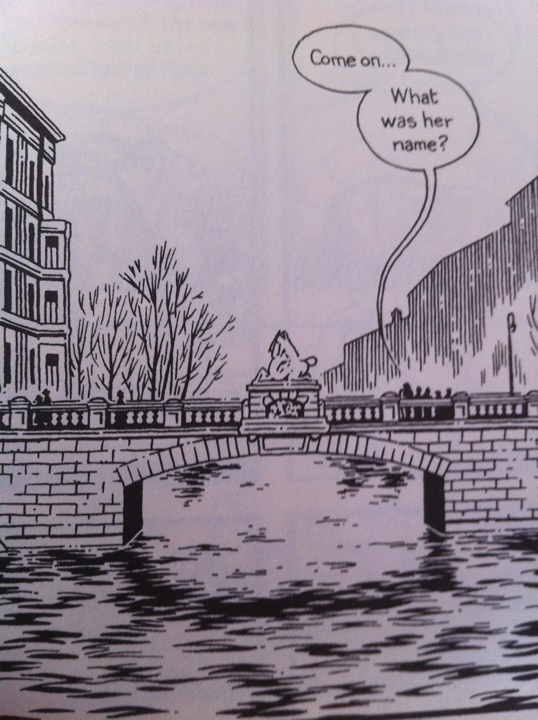
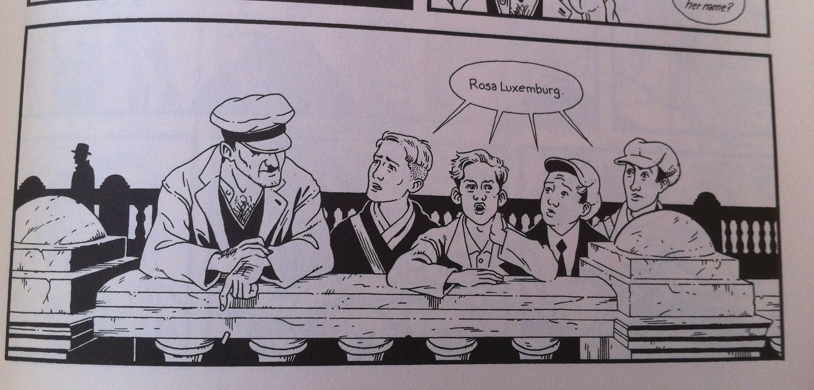
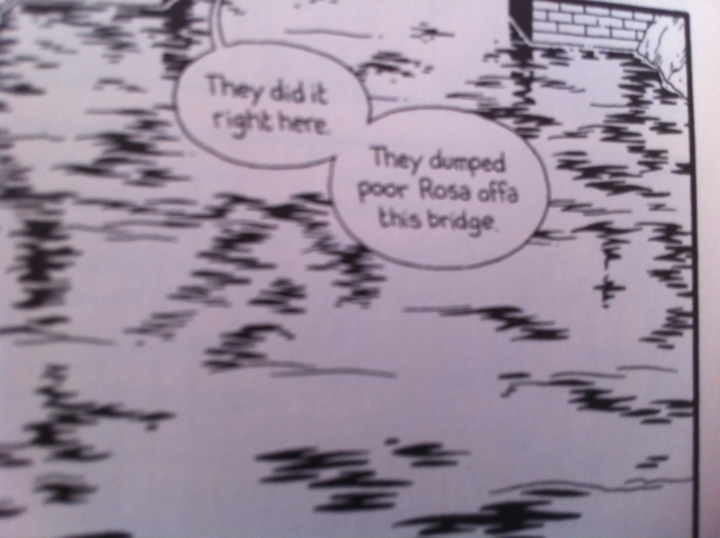
Jason Lutes Graphic Novel Triology about Berlin before WW II. describes in a fictional story the clashes between Communists and the rising Nazi-movement. In the first book “Berlin city of Stones” the depression and anger in the workers movement after the murder of Rosa Luxemburg and Karl Liebknecht is one main topic.

Most Germans beleived in the propaganda against the communist movement. Until today the older generation isn’t aware of the fact, that the song “There is a corps swimming in the Landwehrkanal” isn’t a nice folksong, but an awful blasphemy on Rosa Luxemburg’s death.