Mahalla Malta Festival: Palazzo Żabbar


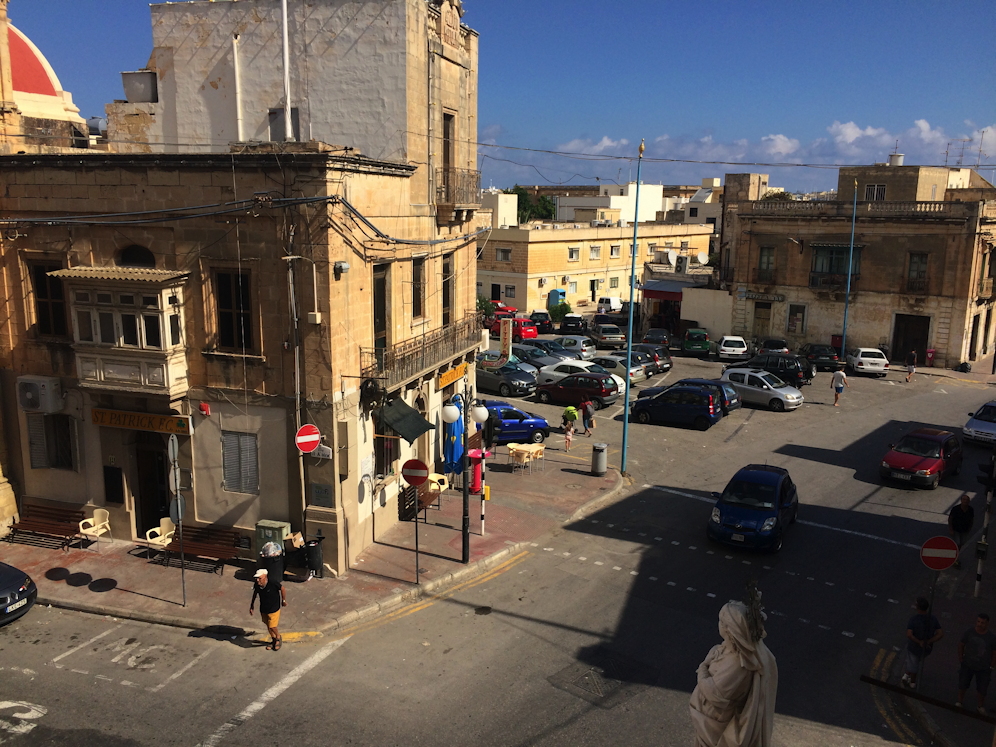
From the First Floor of the Palazzo we oversee a square with the social club and a soccer-clubhouse just across. Once the home of a noble family, the building served as a police-station in the 1950th and was set on fire during the anti-colonial uprisings in 1958.

deniz bilgin / ressam / painter

[widgetkit id=3554]

“Deniz Bilgin’in işleri, bir resim geleneği ile açık ya da örtük herhangi bir hesaplaşmaya girmediğinden, sanat üretimiyle ilgili belirgin bir tutum, hatta niyet ortaya koymadığından, neredeyse hiç bir kavramsal bilgi yükü taşımadığından, kısacası ‘anlamlandırılmayı umursamaz’ tavrından dolayı, özellikle ve öncelikle profesyonel izleyiciye zor gelen işler oldu hep.

Because Deniz Bilgin’s work refused to grapple, neither directly or indirectly, with any painting tradition; because it did not propose any definite attitude or even intention vis-a-vis the production of art; because it carried almost no conceptual luggage; in short, because it displayed ‘ an indifference toward signification’, it was always difficult to come to terms, especially and primarily for professional viewers with.”

Necmi Zeka, Bir Tuhaf… Kind of Odd…

Rosa – Taşlar Şehir

330px-Bundesarchiv_Bild_183-14077-006,_Rosa_Luxemburg

Rosa Luxemburg  was a founding member of the German Communist Party. Parts of the so called “Freekorps”- units killed her and her Comrade Karl Liebknecht on the 15th of January 1919. They held them responsible for prior riots following a general strike in Berlin.

Liebknecht and Luxemburg were part of a minority of people critisising the massacre of Armenians durnig the first world war and pleeding for international socialism and standards of human rights.

The Freekorps units were mainly consisting of retired soldiers and people with antirepublican political views.

[widgetkit id=2686]

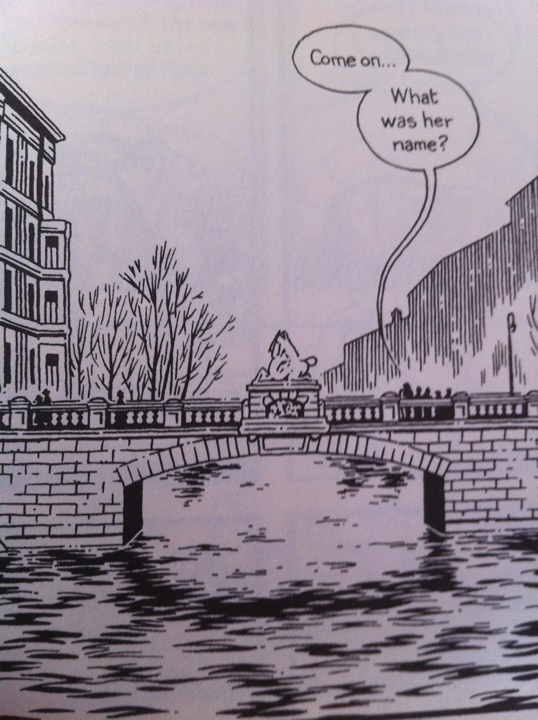
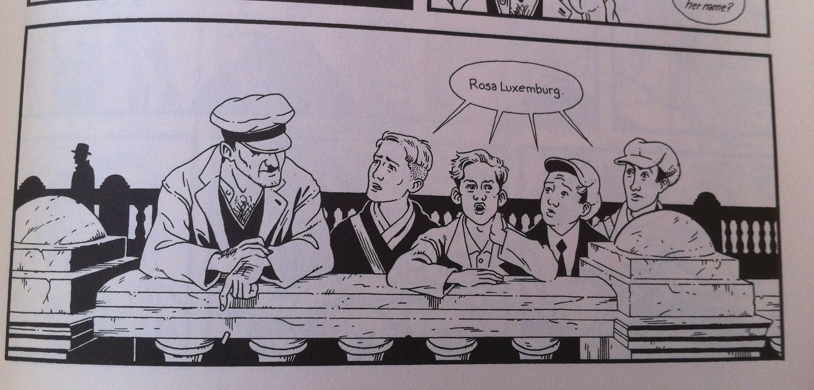
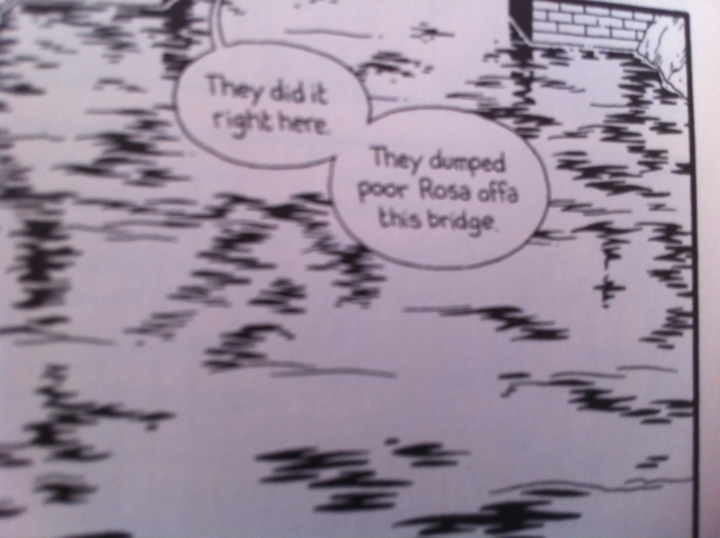
Jason Lutes Graphic Novel Triology about Berlin before WW II. describes in a fictional story the clashes between Communists and the rising Nazi-movement. In the first book “Berlin city of Stones” the depression and anger in the workers movement after the murder of Rosa Luxemburg and Karl Liebknecht is one main topic.

Most Germans beleived in the propaganda against the communist movement. Until today the older generation isn’t aware of the fact, that the song “There is a corps swimming in the Landwehrkanal” isn’t a nice folksong, but an awful blasphemy on Rosa Luxemburg’s death.